
A Synchronized Start for Linked Devices
ravi-signal on 27 Jan 2025
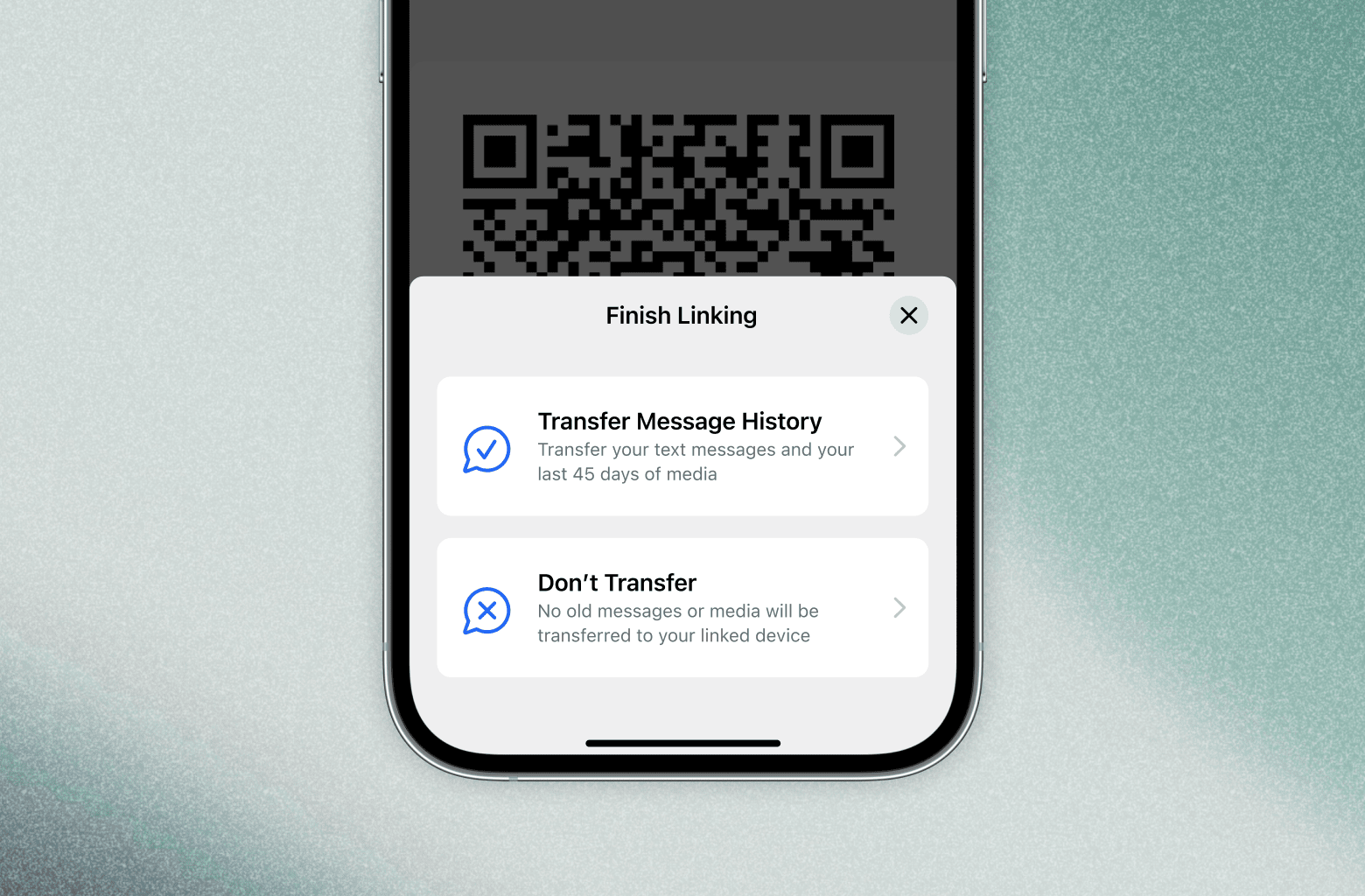
With Signal on Desktop and iPad, you can link your primary Android or iOS account with another device, letting you check and respond to messages in both places or conduct video meetings and calls from the comfort of a bigger screen.
Signal’s upcoming beta releases will also introduce the option to transfer your messages and media when you link your primary Signal device to a new Desktop or iPad. Instead of starting fresh, and having only new messages show up, you can choose to bring your chats and your last 45 days of media with you. Or, you can choose not to.

Improving Private Signal Calls: Call Links & More
Nina Berman on 11 Nov 2024
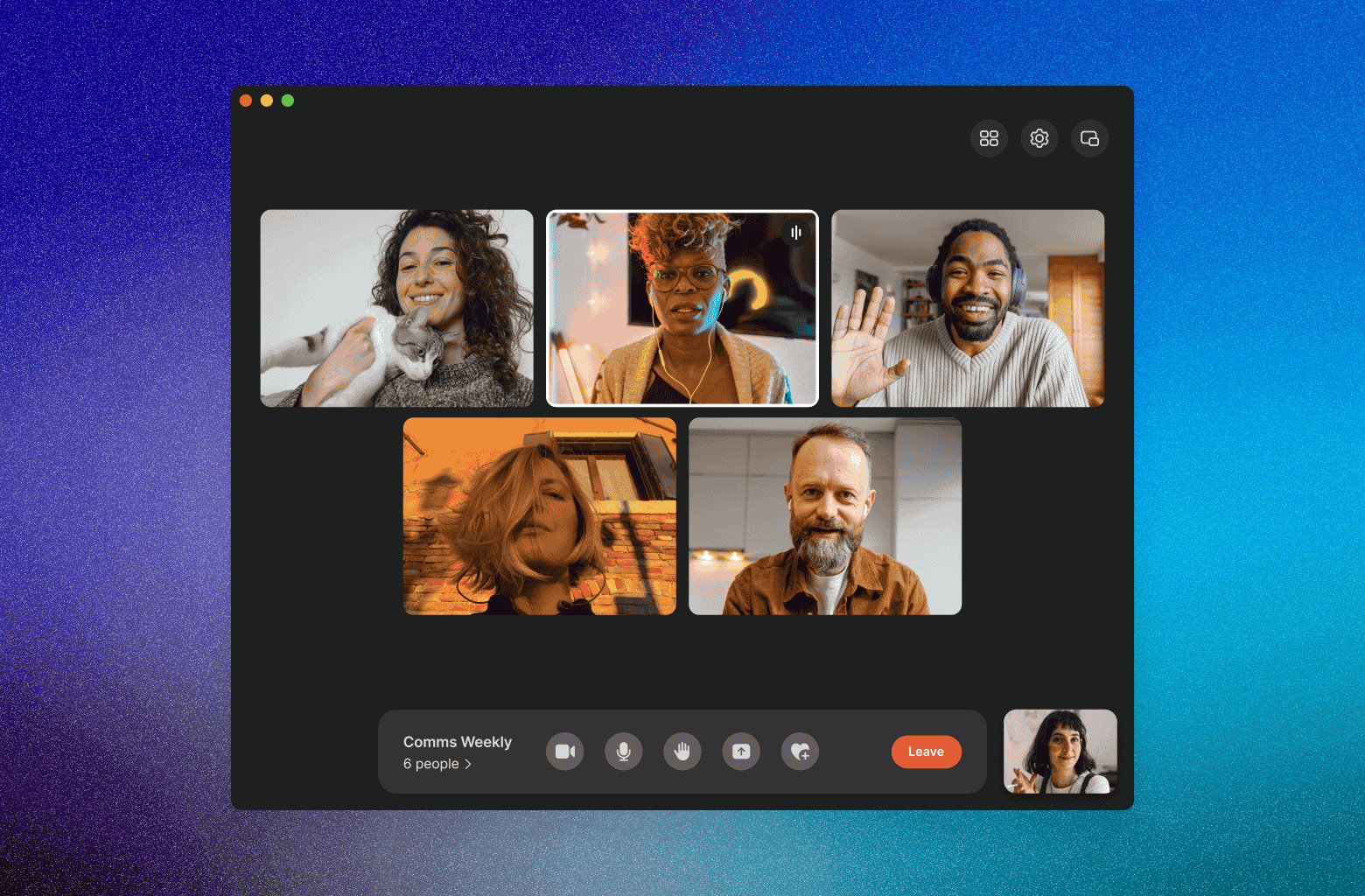
If you love group calls on Signal, but don’t want to create a group chat for every combination of your friends or colleagues, you’re in luck. Today we’re launching call links: Share a link with anyone on Signal and in just a tap or click they can join the call. No group chat required.

Proxy Please: Help People Connect to Signal
Meredith Whittaker on 09 Aug 2024
Several countries have recently blocked Signal, leaving their residents without a trusted and safe place to communicate.
To help in this situation, Signal provides a built-in censorship circumvention feature and also includes support for a simple TLS proxy that can bypass these blocks in many circumstances and let people communicate privately.

Keep your phone number private with Signal usernames
Signal on 20 Feb 2024
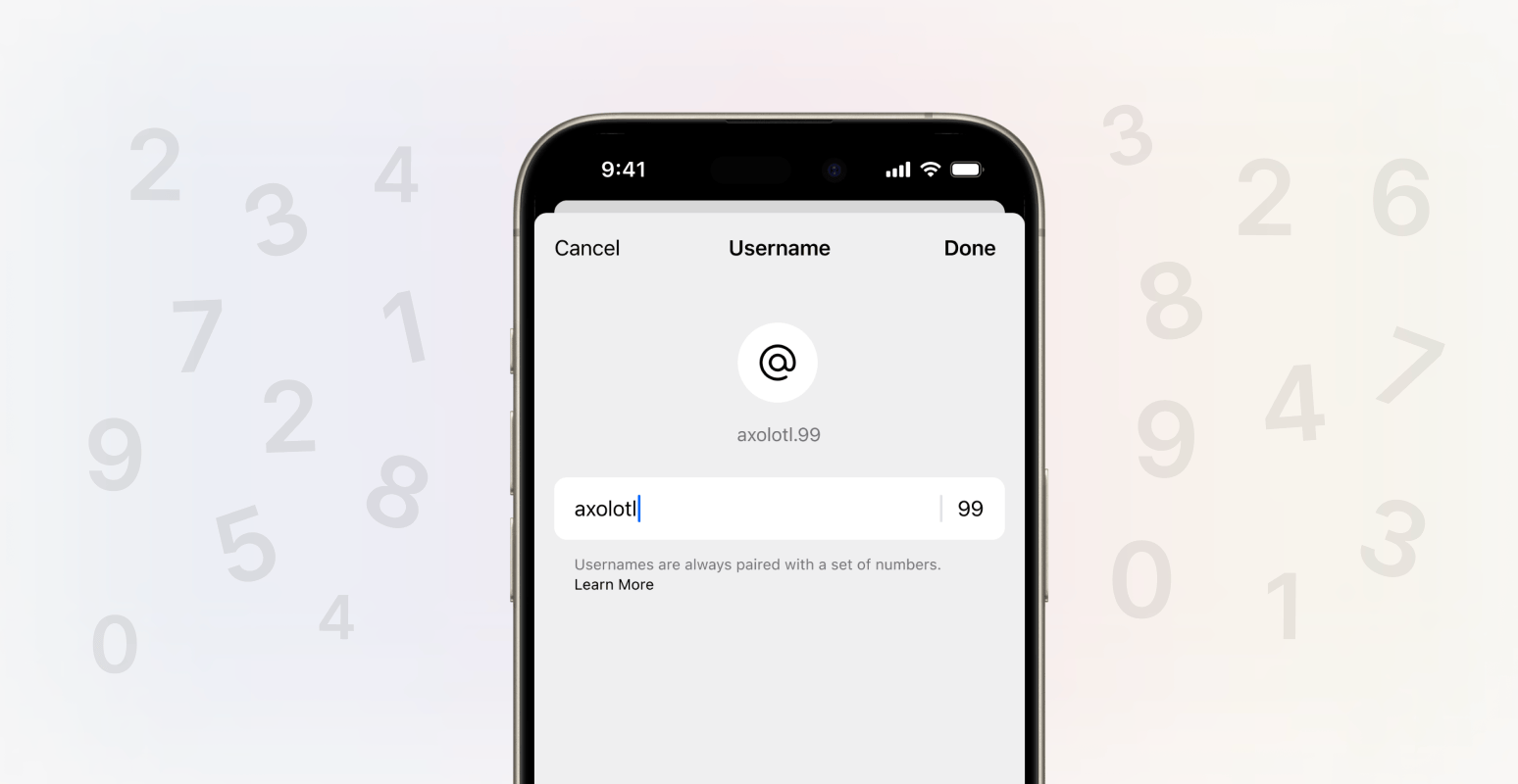
Signal’s mission and sole focus is private communication. For years, Signal has kept your messages private, your profile information (like your name and profile photo) private, your contacts private, and your groups private – among much else. Now we’re taking that one step further, by making your phone number on Signal more private.
Here’s how:
Trend report: Use Signal
nina-signal on 13 Dec 2023
New long-sleeve shirts and tote bags fresh from the Signal test kitchen:

We build Signal for people all over the world. So, of course we wanted to reflect that same global outlook in our merch.
Privacy is Priceless, but Signal is Expensive
Meredith Whittaker and Joshua Lund on 16 Nov 2023

Signal is the world’s most widely used truly private messaging app, and our cryptographic technologies provide extra layers of privacy beyond the Signal app itself. Since launching in 2013, the Signal Protocol—our end-to-end encryption technology—has become the de facto standard for private communication, protecting the contents of billions of conversations in WhatsApp, Google Messages, and many others. Signal also continues to invest in research and development in the pursuit of extending communications privacy. This commitment underlies our recent work to add a layer of quantum resistance to the Signal Protocol, and our previous work on metadata protection technologies that help keep personal details like your contact list, group membership, profile name, and other intimate information secure. This singular focus on preserving the ability to communicate privately is one reason that we work in the open, documenting our thinking and making our code open source and open to scrutiny—so you don’t have to take our word for it.
New Features Roll Call: Fall 2023
nina-signal on 08 Nov 2023

You should be able to communicate without worrying that every gossip tidbit, meme, or joke you share and who you share it with will get churned up into fodder for targeted ads or used to train an AI model. You also shouldn’t have to strip your communications down to the barest and most utilitarian version of relaying information.
This is why Signal is dedicated to providing a truly private messaging app, and why we work to constantly make the experience better for everyone who uses it.
We want you to know about the improvements we’re making in Signal, even the smaller ones that simply make the app nicer to use. So, starting here we’re publishing a periodic New Features Roll Call, reviewing multiple new features and quality of life improvements in one place.

Quantum Resistance and the Signal Protocol
ehrenkret on 19 Sep 2023
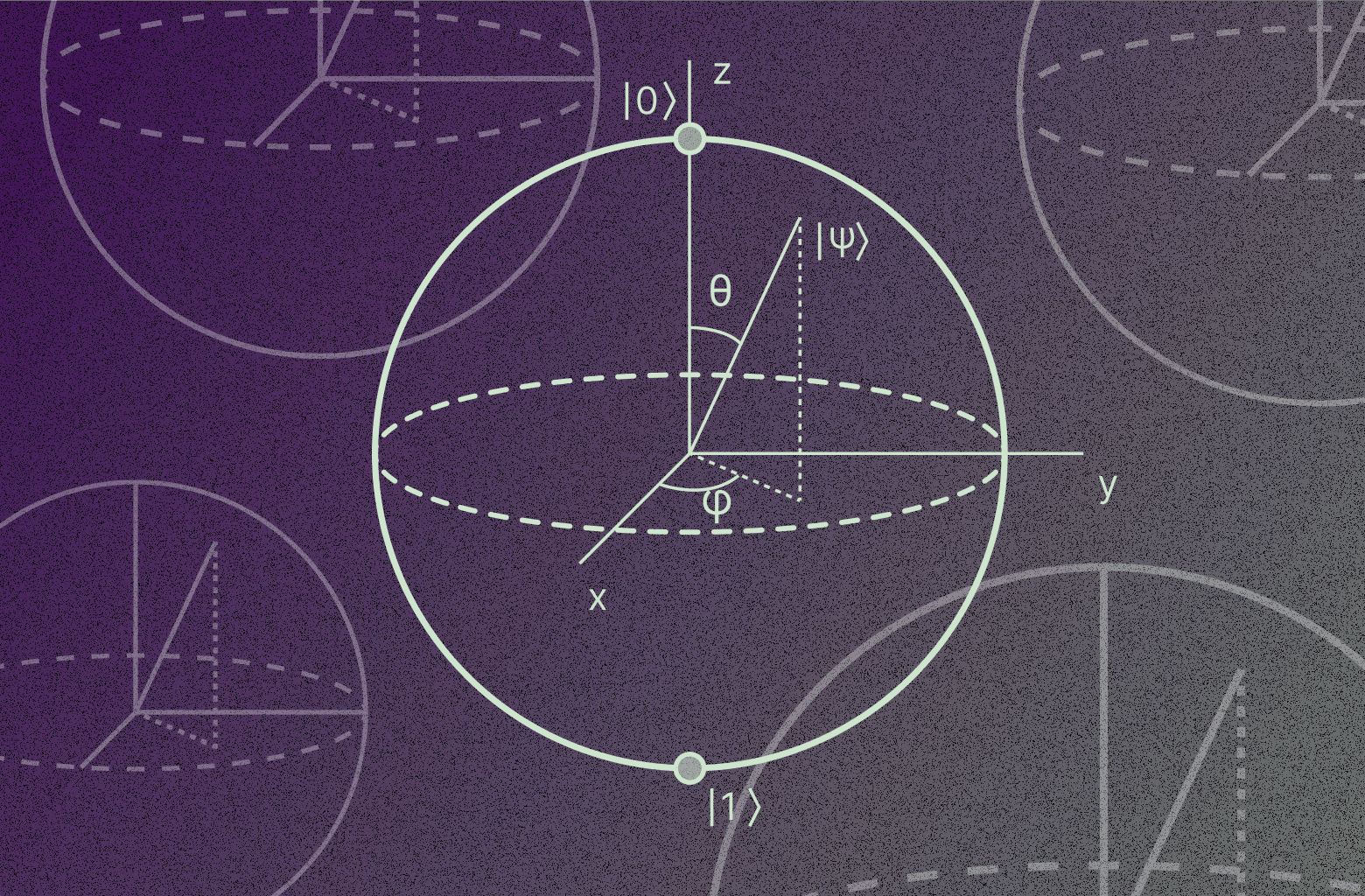
The Signal Protocol is a set of cryptographic specifications that provides end-to-end encryption for private communications exchanged daily by billions of people around the world. After its publication in 2013, the Signal Protocol was adopted not only by Signal but well beyond. Technical information on the Signal Protocol can be found in the specifications section of our docs site.
Today we are happy to announce the first step in advancing quantum resistance for the Signal Protocol: an upgrade to the X3DH specification which we are calling PQXDH. With this upgrade, we are adding a layer of protection against the threat of a quantum computer being built in the future that is powerful enough to break current encryption standards.
This post is written to introduce this work to non-experts, and will review what quantum computing is and the challenges it presents for current cryptographic algorithms, before providing a high level overview of how we are adapting our specifications to answer these challenges. If you would like to skip this summary and explore our PQXDH specification in depth, you can read our technical whitepaper here.
Signal exists to provide people everywhere with a tool for real private communication. That’s our only goal, and we take it very seriously. We’re structured as a nonprofit to ensure that market forces can never put profit or expediency over the safety of those who rely on us. Our work also resonates beyond the Signal app. The Signal Protocol has become the foundation for end-to-end encryption technology that is used and trusted by many private messaging services to protect billions of messages every day.
We recognize that privacy is a human right and that free expression and the ability to dissent are fundamental to a safe and vibrant society. But the current state of the Online Safety Bill in the UK puts the future of privacy and expression in grave jeopardy.
Signal is for everyone, and everyone is different
nina-signal on 07 Mar 2023

The tech industry–its products, conceptual frameworks, linguistic conventions, and cultural norms–is largely centered in the US (and, increasingly, China. But we’re focused here on the US, where Signal is based). This is not because the US has better programmers or more visionary entrepreneurs, but due primarily to historical material conditions. For example, early investments in networked computation from the US military, which happened around the same time that the US was becoming a global superpower, which was followed by the privatization and then commercialization of networked computation, then the dot com boom, etc. etc., and here we are.