
Improving first impressions on Signal
jimio on 01 Nov 2021
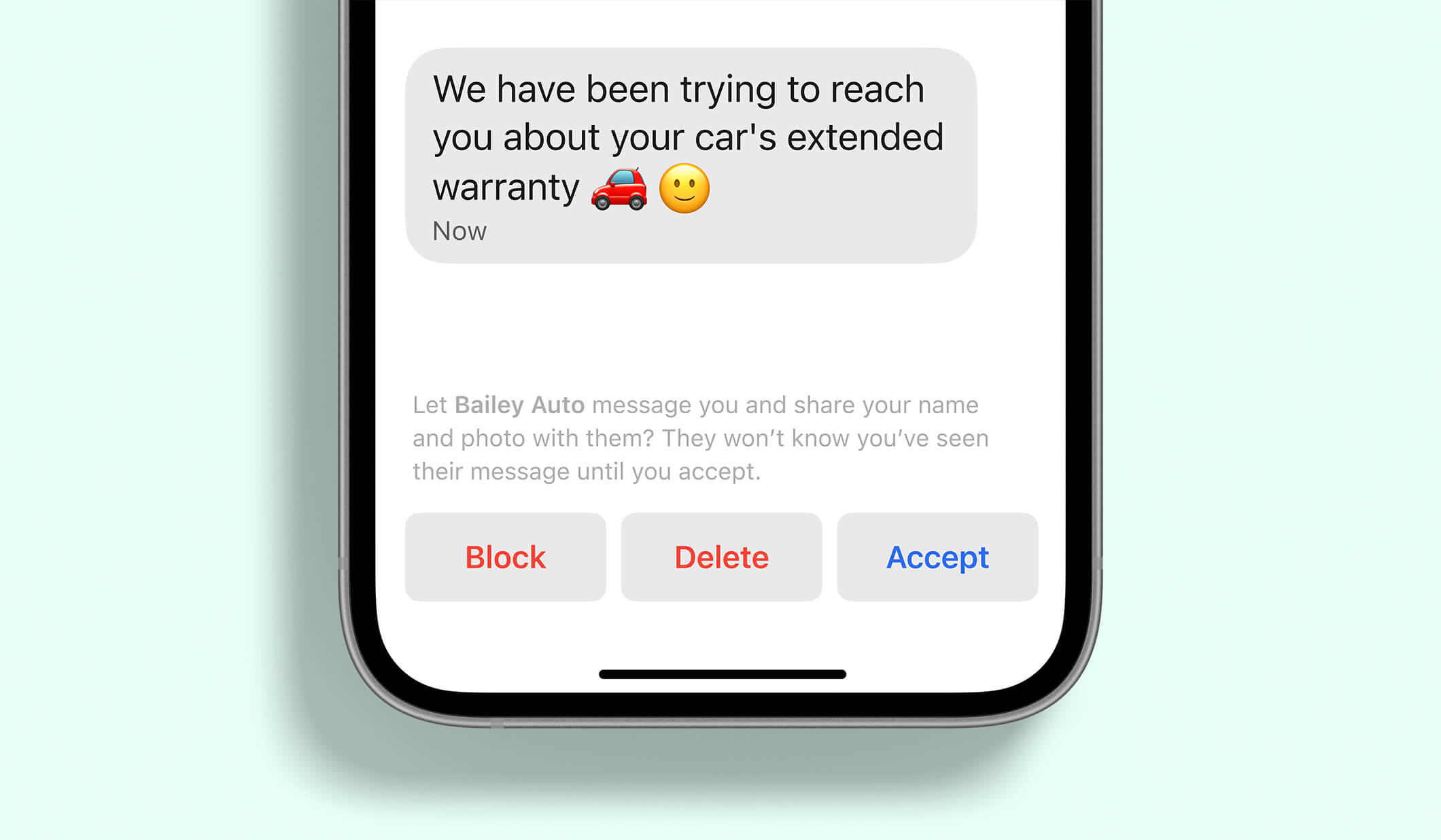
The phenomenon of unsolicited and unwanted messaging dates back to the earliest communication platforms: from prehistoric cave graffiti and postal chain letters to popup ads and robocalls. To prevent spam, most online services rely on large-scale inspection of plaintext conversation content or detailed social-graph analysis to determine who is saying what to whom and whether or not that should be allowed. At Signal, we build on a foundation of privacy and do not have access to that type of data or metadata.
We build Signal in the open, with publicly available source code for our applications and servers. To keep Signal a free global communication service without spam, we must depart from our totally-open posture and develop one piece of the server in private: a system for detecting and disrupting spam campaigns. Unlike encryption protocols, which are designed to be provably secure even if everyone knows how they work, spam detection is an ongoing chore for which there is no concrete resolution and for which transparency is a major disadvantage. If we put this code on the Internet alongside everything else, spammers would just read it and adjust their tactics to gain an advantage in the cat-and-mouse game of keeping spam off the network. The Signal protocols, cryptography, and source code are peer reviewed, shared for independent inspection, and provably private by design. We are bound by these security guarantees, so that your conversations and contacts remain as private and protected as ever, even if we keep spam-fighting tools out of sight.
Embrace ephemerality with default disappearing messages
jimio on 10 Aug 2021
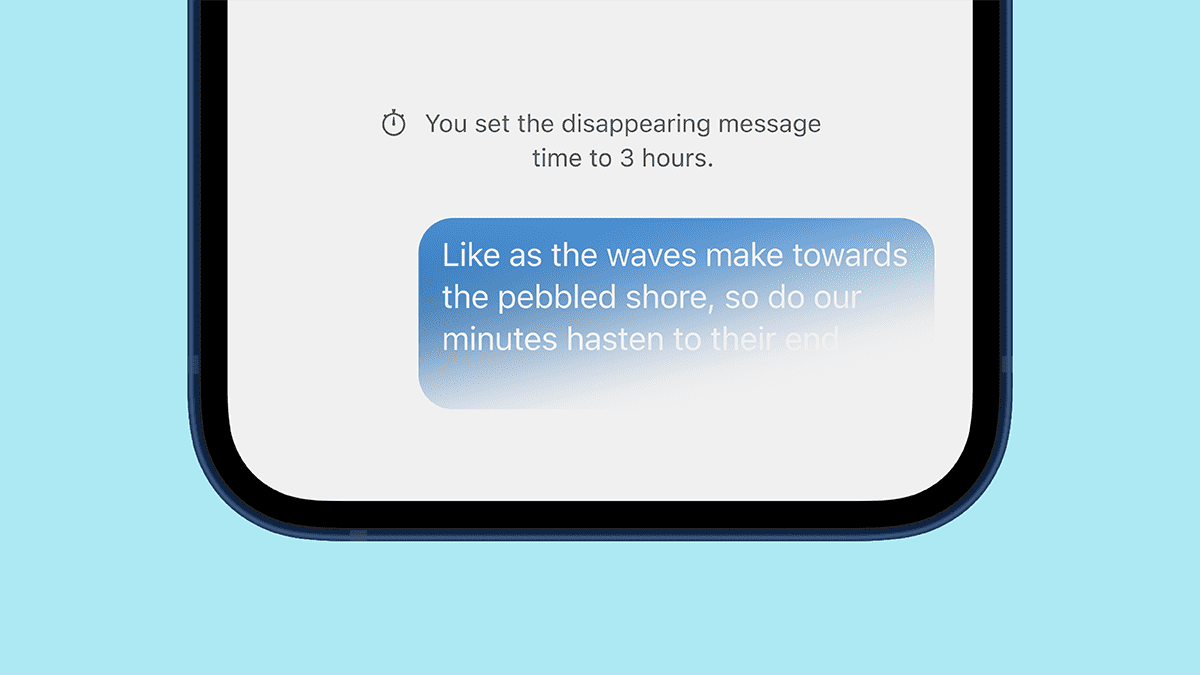
As the norms for how people connect have changed, much of the communication that once took place through the medium of coffee shops, bars, and parks now takes place through the medium of digital devices. One side effect of this shift from analog to digital is the conjoined shift from the ephemeral to the eternal: words once transiently spoken are now – more often than not – data stored forever.
We’ve designed Signal so that your data always stays in your hands. We think there’s something special about sharing a private fleeting moment between friends, so Signal also supports disappearing messages. Now, we’ve added the ability to preconfigure all conversations you initiate with a default disappearing messages timer.

The Instagram ads Facebook won't show you
junh3 on 04 May 2021

Companies like Facebook aren’t building technology for you, they’re building technology for your data. They collect everything they can from FB, Instagram, and WhatsApp in order to sell visibility into people and their lives.
This isn’t exactly a secret, but the full picture is hazy to most – dimly concealed within complex, opaquely-rendered systems and fine print designed to be scrolled past. The way most of the internet works today would be considered intolerable if translated into comprehensible real world analogs, but it endures because it is invisible.

Cellebrite makes software to automate physically extracting and indexing data from mobile devices. They exist within the grey – where enterprise branding joins together with the larcenous to be called “digital intelligence.” Their customer list has included authoritarian regimes in Belarus, Russia, Venezuela, and China; death squads in Bangladesh; military juntas in Myanmar; and those seeking to abuse and oppress in Turkey, UAE, and elsewhere. A few months ago, they announced that they added Signal support to their software.
Their products have often been linked to the persecution of imprisoned journalists and activists around the world, but less has been written about what their software actually does or how it works. Let’s take a closer look. In particular, their software is often associated with bypassing security, so let’s take some time to examine the security of their own software.
Update on beta testing payments in Signal
junh3 on 13 Apr 2021
As the world stands today, the future of transaction privacy does not look great. The existing landscape is dominated by traditional credit companies, who over the past decade have been steadily pushing their networks for increased access to user data. They (and their data customers) are on a track to getting SKU level data of every purchase everyone makes everywhere. There are other contenders, such as regional online payments networks (like Venmo in the US), but the data story there is similar.
This is not a future we are particularly excited about. At Signal, we want to help build a different kind of tech – where software is built for you rather than for your data – so these are trends that we watch warily.
Help us test payments in Signal
junh3 on 06 Apr 2021
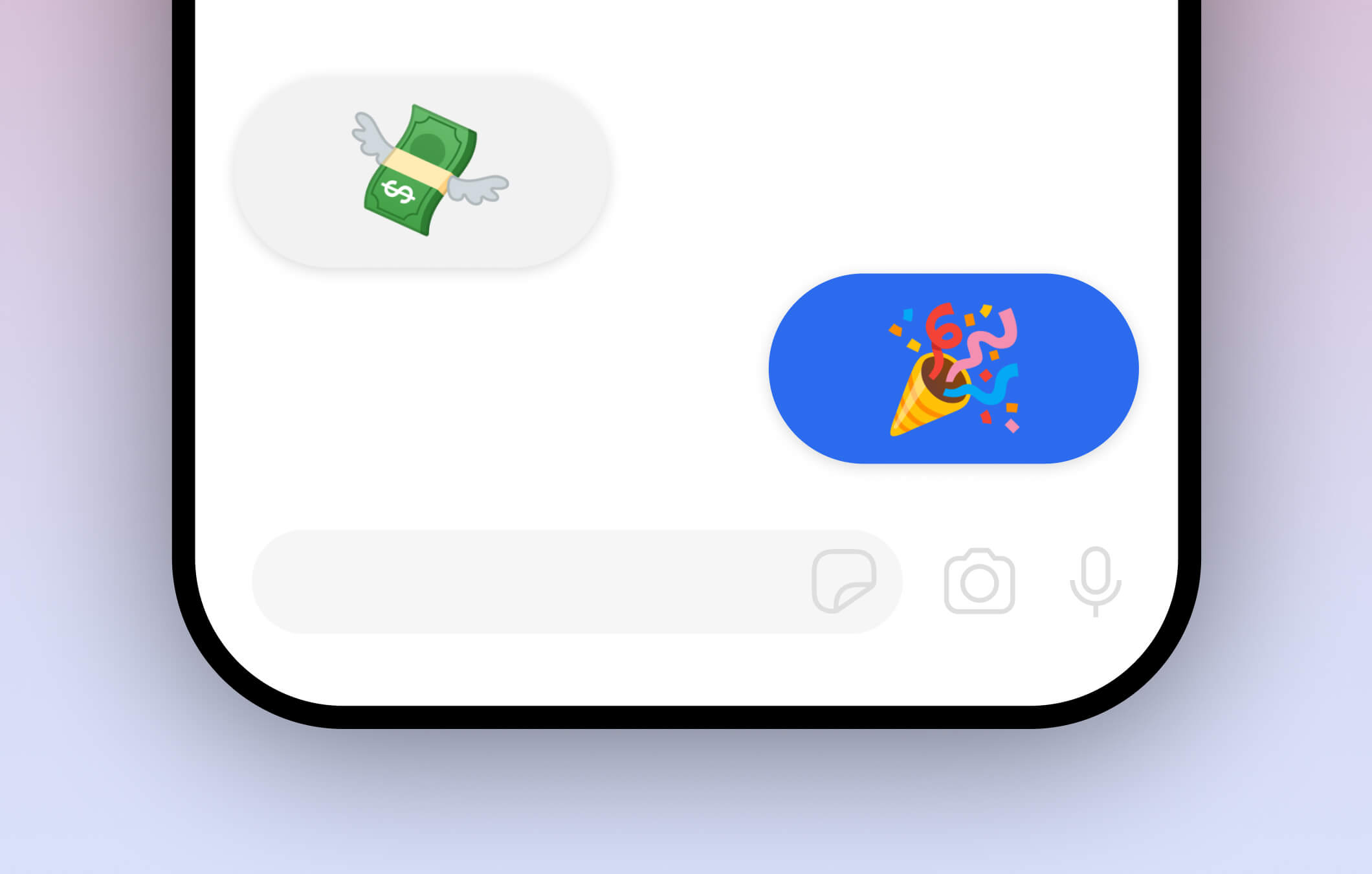
The latest Signal betas are rolling out today. Inside, you’ll find performance enhancements, a slew of bug fixes, improvements to the mute settings, and if you’re in the United Kingdom, you’ll see support for Signal Payments – a new feature that enables you to send and receive privacy focused payments as easily as sending or receiving a message. This is a beta feature in a beta build, but for those in the United Kingdom living life on the edge, please help us test and give feedback.

Help users in Iran reconnect to Signal
jlund on 04 Feb 2021
Just over a week ago, we announced that Iranian censors had started blocking all Signal traffic in the country. As an interim solution to help people in Iran get connected again, we’ve added support in Signal for a simple TLS proxy that is easy to set up, can be used to bypass the network block, and will securely route traffic to the Signal service.
This new connection method is supported in the latest Signal Android beta release, and will be rolling out to production users in a few days. Our hope is that this will help many people in Iran start sending and receiving messages again while we continue to explore additional censorship circumvention techniques that will work there.
No, Cellebrite cannot 'break Signal encryption.'
moxie0 on 23 Dec 2020
Yesterday, the BBC ran a story with the factually untrue headline, “Cellebrite claimed to have cracked chat app’s encryption.” This is false. Not only can Cellebrite not break Signal encryption, but Cellebrite never even claimed to be able to.
Since we weren’t actually given the opportunity to comment in that story, we’re posting this to help to clarify things for anyone who may have seen the headline.

Adding Encrypted Group Calls to Signal
Signal on 14 Dec 2020
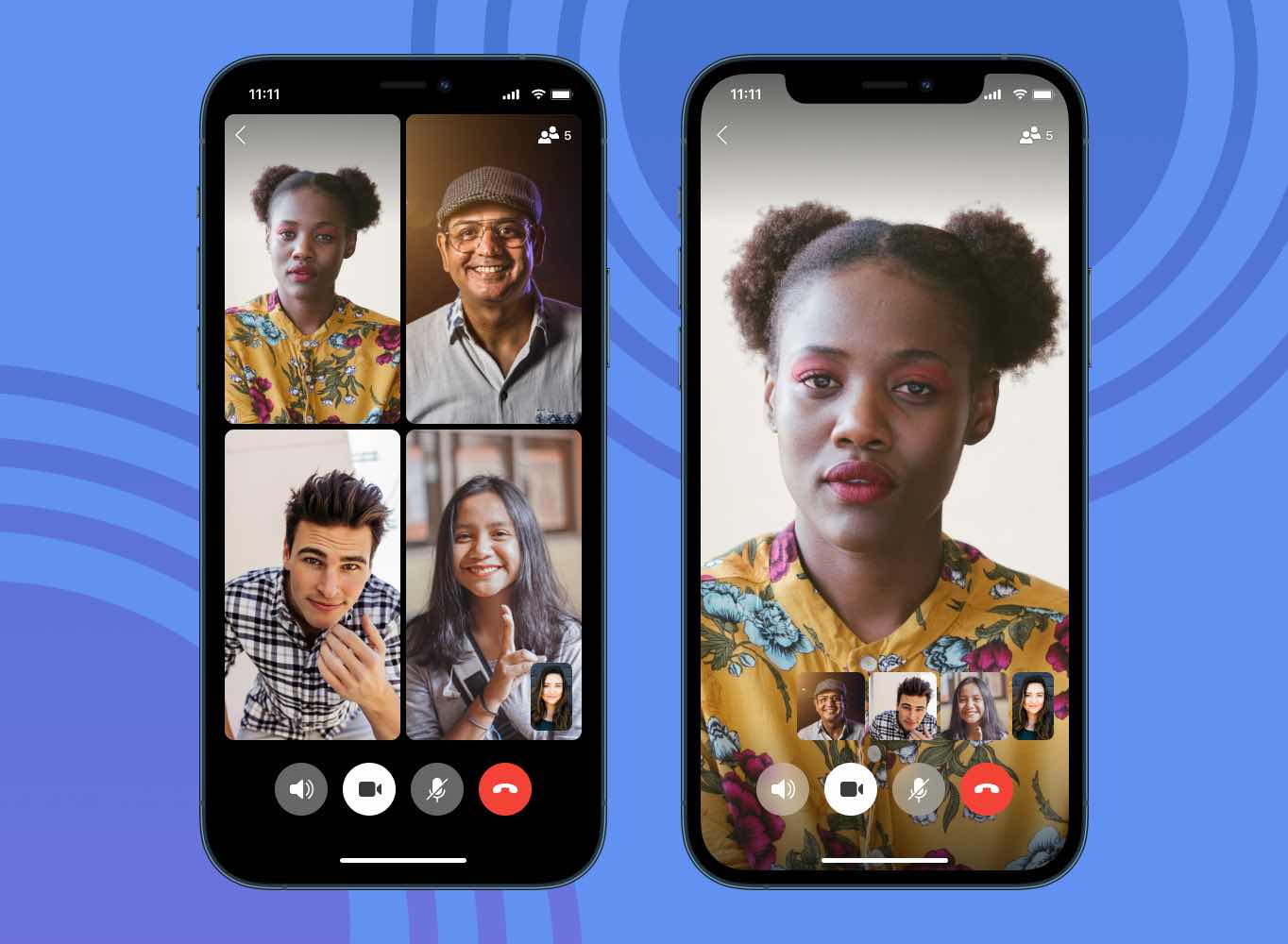
2020 has seen its fair number of challenges and changes. We’ve all adapted to new ways of staying in touch, getting work done, celebrating birthdays and weddings, and even exercising. As more and more of our critical and personal moments move online, we want to continue to provide you with new ways to share and connect privately.
Today, we’re launching group calls in Signal with the latest versions of our apps. Group calls are free, private, and end-to-end encrypted — like everything else on Signal.
Link Up with Group Links
Signal on 28 Oct 2020

We recently released a new version of Signal groups with group admins, @mentions, permissions, and more. Today we’re adding one more feature into the mix: group links, which let you quickly create a link that anyone can follow to join your group. Like our other new group features, you can create a new group to try it out now, but these features will be coming soon to your existing Signal groups.